How far can we take this, pt 1
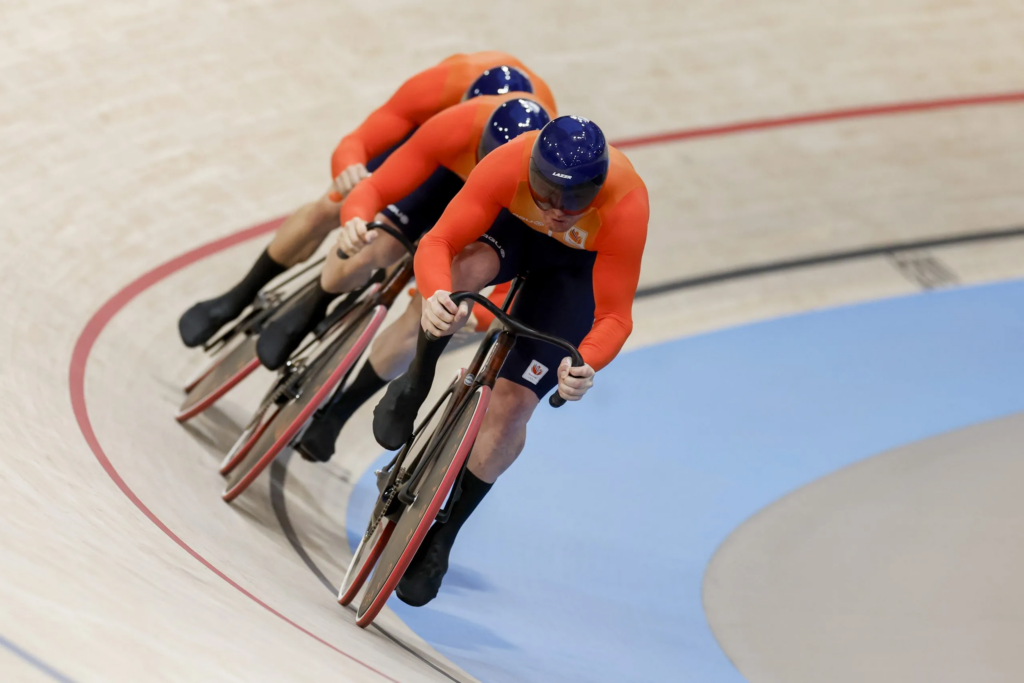
An experiment in taking one coaching problem as far as physiology, biomechanics, psychology, and practical experience will allow.
There are two cinematic axioms I have long used to shape my practice, only to recently realize that my memory had played a cruel trick on me, getting them exactly backward.
First, there is the Ghostbusters directive. For years, I remembered it as an instruction to “cross the streams” to achieve maximum impact, but in reality, Egon Spengler warned that if the energy beams touched, it would trigger a total protonic reversal, leading to instantaneous death and the end of life as we know it.
Second, and even more influential for me, is the lesson from Tropic Thunder. In my mind, the path to greatness was clear: “always go full retard (of course, Kirk Lazarus’s actual advice to Tugg Speedman was the exactly the opposite: never go full retard).
While I have proposed that novelty, variation and broad engagement, especially for the aging athlete, might be the smart way to go with training in order to live a long life, a large life, one that stays open to new possibilities, I have also said that there is something quite beautiful in exploring just how good at some very specific thing one can become. In this series I will explore this side of training. We will go full retard.
I run a small training group of track cyclists (plus a few time-trial cyclists, and some more focused on the road). Most of us are older, masters cyclists, but there are also some younger (and faster). We are both male and female, and we strongly believe that we can do mostly the same things, since the basic requirements are the same for everyone, and then we coach at session level to individually adapt technical exercises and lean it more towards individual goals or shortcomings. We try to get as fast as possible, and have a lot of fun helping each other to improve our capacity.
I will try to show how far you can go when you really try to take the process of designing a training program for such specific performance seriously.
Match sprinting, with the flying 200 m as qualification, and the short time-trials, the 500 m, and the 1000 m, on paper look rather identical: you ride fast, a short distance, and you win by reaching the finish line first.
Physiologically, however, the three events present rather different problems for the body to solve. When we look at how many cyclists train, that gap often becomes obvious: there is a strong focus on being either fast or enduring, but often mostly in the areas the rider enjoys most, and with less attention to the limitations that research identifies as decisive.
We would do well to bridge that gap, not by making everything optimal in a theoretical sense, but by using what the science tells us in practical ways: which qualities must be in place to produce peak power quickly, maintain the rhythm of tension and relaxation under fatigue, and still be able to deliver again, when previous efforts have already left the rider depleted.
Three events, partly different demands, but one shared physiological core. The flying 200 m is primarily a question of explosive neuromuscular capacity and the force–cadence relationship at high speed, whereas the 500 m is almost entirely anaerobic and therefore requires the ability to produce very high power while the body’s internal chemistry becomes increasingly difficult to reconcile with efficient mechanics.
The 1000 m adds another layer: the rider must combine major force demands with a longer endurance demand and the ability to manage fatigue without letting force quality collapse.
Another important difference is how the events begin. Whereas the flying 200 m starts with an efficient wind-up designed to reach absolute top speed at precisely the right moment, the other time trials begin from a standing start, which is almost comparable to performing several maximal lifts in succession.
In addition to affecting fatigue during the rest of the event, these different starts have major implications for gear selection. A wind-up makes it possible to use substantially larger gears, which can produce higher speed and less fatigue per pedal stroke. That advantage cannot be used in the same way in a time trial where speed from the start does not build quickly enough.
The training structure can therefore be shared between the events, but the dosage and details must be adapted.
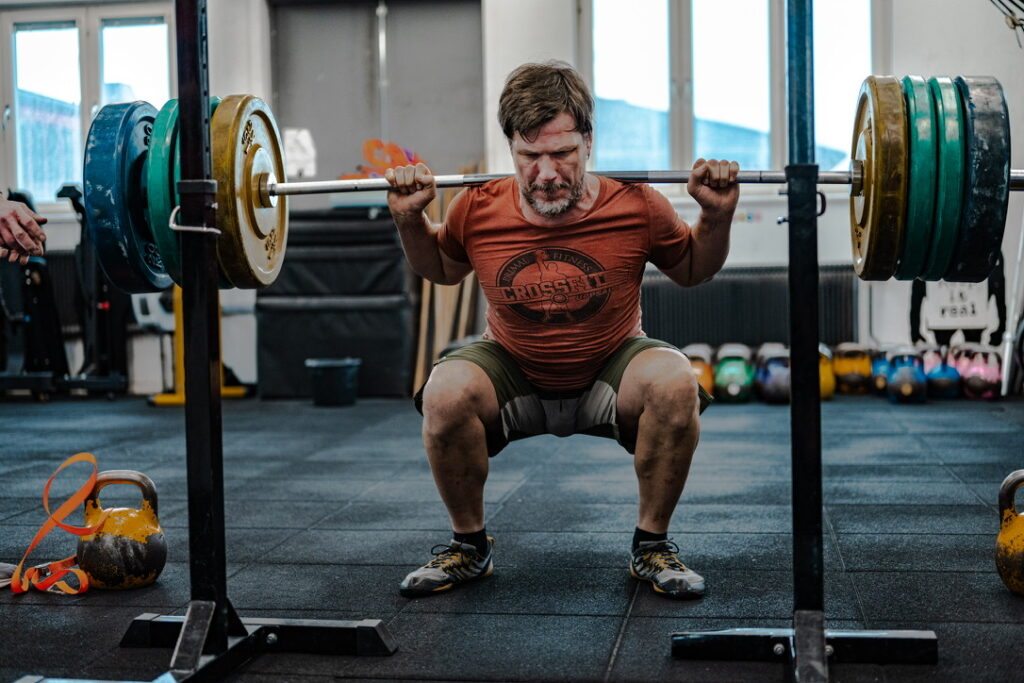
What does sprint cycling demand from the body?
First and foremost: muscle volume. It sounds almost too simple, but Kordi et al. (2020) show it clearly. In elite sprint-cycling cohorts, quadriceps volume alone explained 76 percent of the variance in peak power output (PPO).
When hamstring volume and the pennation angle of the vastus lateralis are added, the explained variance increases to 87 percent. In practical terms, sprint cycling is largely a force-production problem, and the available resources, muscles and their architecture, are decisive for what can be expressed on the bike. Once those resources are present, the rest of training can focus on making them deliver at the right joint angles, at the right speeds, and under the right levels of fatigue.
Pennation angle is one of the architectural parameters that allows two muscles of the same size to produce different amounts of force. In elite cyclists, vastus lateralis pennation often falls within the range of 15–25 degrees, and greater pennation means that more muscle fibres can be packed in parallel relative to the muscle’s cross-sectional area. The result is that more fibres can generate force at the same time, increasing force production without necessarily requiring the same degree of overall muscle size. Pennation is therefore a structural measure of efficiency, and hypertrophy training is one route through which it can be influenced (Kordi et al. 2020).
This matters for two reasons. First, it affects every pedal stroke regardless of where the rider is in the race. Each new pedal revolution begins near the top position, around 12 o’clock, where the crank angle creates an extremely unfavourable torque situation. Here, raw maximal strength is required simply to overcome mechanical inertia and accelerate the crank.
If you are not strong, being fast will not help enough. Without strength, too much time is lost in the dead spot, and by the time the pedal reaches the effective position around 3 o’clock, speed has already been lost, and too little energy has been stored in the pedalling motion. Second, muscles capable of producing more force allow the use of larger gears, which both increases potential top speed and reduces the fatigue created by each cycle of muscular tension followed by relaxation.
The second building block is fascicle length. This concerns what the rider can do as cadence rises. Longer fascicles mean more sarcomeres in series, which in turn allows a higher maximal shortening velocity. This is exactly the mechanism that enables some cyclists to maintain a high pedalling frequency while still preserving force. It is also where training choices become especially important: training at longer muscle lengths and with an eccentric component tends to preserve, or even increase, fascicle length more effectively than training performed mainly in shortened positions.
Here we face one of the major trade-offs in muscle biology. Mechanically, increased pennation angle and increased fascicle length are in direct conflict. If we increase pennation to pack in more fibres and become stronger at the start, the fibres therefore become shorter. If, instead, we want long fascicles to tolerate extremely high cadences, the fibres must lie more in parallel with the line of pull, which limits how much muscle mass can be packed into the same area. Biologically, it is not possible to maximise both at the same time.
Our compromise is to treat different muscles differently in training, based on their different functions during the pedal stroke. We prioritise pennation angle in the quadriceps and longer fascicle length in the hamstrings. We also strategically include isometric training at long muscle lengths (what we might call targeted hypertrophy) to shift the position where the muscle is strongest so that it better matches the position where the greatest force is required early in each new pedal stroke.
Then comes the “fast” side of force expression: RFD, or rate of force development. In sprint cycling, pedal strokes occur extremely quickly. The entire period during which force must be generated and transferred is often so short that there is no time to waste force in the way one might be able to when lifting a heavy object slowly.
When cycling, the muscles alternate between the tension and relaxation required to avoid continuing to press on the pedal after the bottom of the stroke. If that happens, the rider begins to push against the other leg just as it starts its own power phase.
If the active part of a pedal stroke effectively corresponds to roughly 0.10–0.15 seconds, then (as noted earlier in relation to pennation angles) force alone is not the only limiting factor. Torque must also be created rapidly, precisely because there is so little time available for each stroke.
Maximal-intent movements have been shown to train the nervous system to deliver high force more quickly, and this must be one of our priorities. But even when force can be produced quickly, there is still a bottleneck in the force-transfer chain. Tendon stiffness and electromechanical delay (EMD) influence how quickly force from the muscle becomes force at the pedal. The tendon is the tissue that connects muscle to bone and transfers force. Electromechanical delay is the brief interval, approximately 30–100 milliseconds, between the electrical signal to activate a muscle and the point at which the muscle–tendon unit produces visible movement.
Kubo et al. (2001, Journal of Applied Physiology) showed an approximately 57 percent increase in tendon stiffness with an appropriate isometric protocol, and they also measured a direct reduction in EMD. Practically, this means that stiffer patellar and Achilles tendons may help quadriceps force reach the pedal faster, which fits the reality of sprinting, where timing and rapid force transfer matter at least as much as how much weight the rider can lift.
Finally, there are the energy systems and the different time frames of the events. The flying 200 m, lasting around 10–12 seconds, is almost entirely neuromuscular and alactic: the rider produces top speed for a very short duration, and performance depends mainly on the force–cadence relationship and the nervous system. The 500 m, lasting around 35–45 seconds, is almost entirely lactic anaerobic, where glycolytic capacity and the ability to continue producing high power as the body’s chemistry reduces movement quality become decisive. The 1000 m, lasting around 60–75 seconds, has an additional and meaningful aerobic contribution, estimated at 30–40 percent. This does not mean the rider suddenly becomes an endurance cyclist, but it does mean that they need the capacity to hold mechanics together for longer and with more acidic muscles.
There are additional differences between the events that are not visible if we only look at the duration of each race. The flying 200 m begins with a wind-up of roughly 600 m, where the aim is to reach the highest possible speed at the start of timing. This means that gear choice, line choice, and aerobic efficiency can influence the rest of the effort without necessarily being visible in the final time.
The two time trials, by contrast, start from a standstill. This places completely different demands on explosive force development in the first seconds, and the side effects of that start influence pacing throughout the event. The 500 m and 1000 m also differ in that gear choice, cadence targets, and the distribution of effort across the race must be individualised in different ways. Strength creates more options and is almost always beneficial; it is developed primarily in the gym, while the other differences are best trained on the bike through technical work, start practice, wind-ups, and pacing drills.
Despite these differences, all three events share a common performance profile: maximal peak power and a high capacity to express force. That is why the training structure is shared, with individualised dosage.
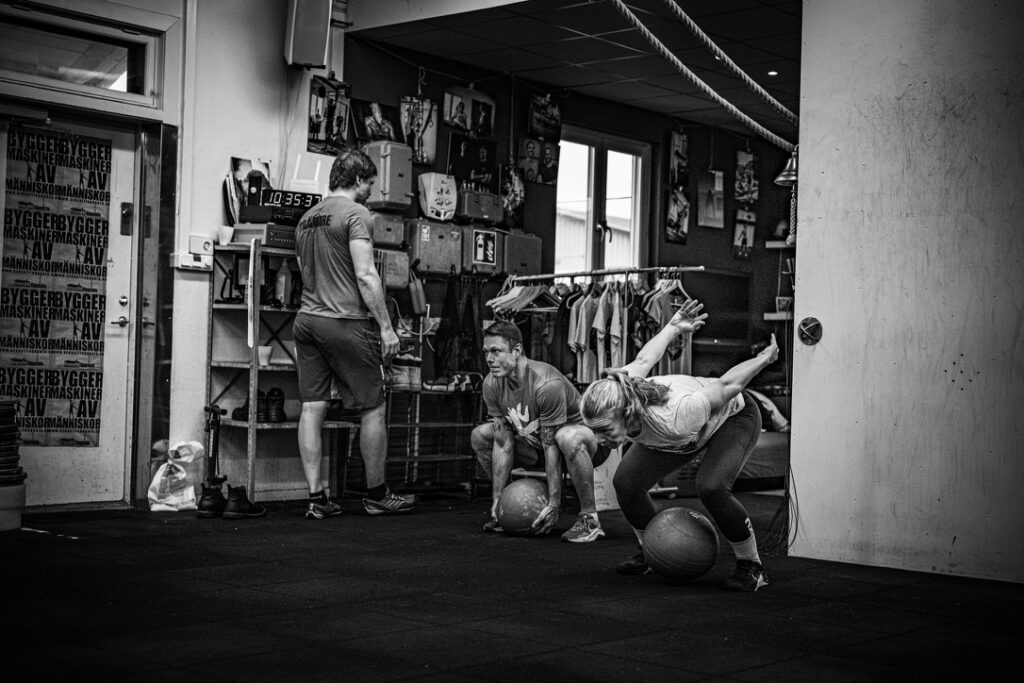
Muscle architecture (why it matters so much)
There is a clear causal chain here: if more muscle mass provides greater force-producing capacity, it should also lead to greater maximal strength and, in turn, higher PPO. This is exactly the logic Kordi et al. (2020) point to when they show strong relationships between muscle volume and peak power.
In practice, this becomes one of the strongest arguments for why a sprint-cycling programme must include heavy strength training that builds muscle and improves muscle architecture, not as an “addition”, but as a true foundation for the capacity the rider later needs to express on the bike.
However, how the athlete lifts also matters. Each pedal stroke in cycling is, in practice, almost entirely unilateral: one leg works at a time. Even so, we will choose the bilateral squat, where both legs work simultaneously, as our primary hypertrophy tool.
The squat is also selected to maximise loading of the quadriceps and hamstrings. Machine alternatives such as the hack squat, pendulum squat, and leg press can replace the barbell squat when equipment, joints, or technical level require it, since hypertrophy and strength gains are then largely comparable. The barbell squat remains the first choice when it works well, mainly because it activates the hamstrings more than both the leg press and the hack squat, reducing the need for separate hamstring volume and keeping the total number of exercises down (Schwanbeck et al. 2009).
The squat is also chosen over unilateral alternatives, such as split squats and Bulgarian split squats. The reason is practical: the bilateral squat allows a higher absolute load on the bar than is realistically achievable in a unilateral variation at comparable effort, because it requires substantially less stabilisation, balance, and coordination. The higher absolute load in the bilateral squat creates more total mechanical overload, and that is the stimulus that primarily drives muscular and architectural adaptation.
One phenomenon worth discussing is the bilateral deficit: during maximal contraction, each leg can produce slightly less force bilaterally than unilaterally. However, since that increase in unilateral force is largely driven by neural factors, which are less central to the adaptation we are primarily seeking, and because the rear leg also carries part of the load in many unilateral exercises, the comparison is not entirely clean (Škarabot et al. 2016). The phenomenon is therefore not an argument against bilateral training, but perhaps an argument for keeping both variants in the programme. Unilateral exercises have proven useful for movement quality, asymmetry correction, and specific hamstring loading.
Even if you become stronger in the gym, it does not automatically mean that the “right” strength appears in the pedal stroke. Muscular adaptations are partly specific to the joint angle and muscle length at which training is performed. Noorkoiv et al. (2015) and Oranchuk et al. (2019) describe precisely this angle- and length-specificity. For sprint cycling, this means that the length and angle positions where force production is greatest on the bike are also the positions where a clear training effect should be created through isometric work.
An isometric exercise means that the muscle develops force without joint movement. The advantage here is that you can train very specifically in exactly the angle where the pedal stroke demands the most torque. Our focus is the top position of the pedal stroke, the critical part where substantial torque must be produced.
The hamstrings are not just a “bonus”. Kordi et al. (2020) show a strong relationship between hamstring volume and PPO (r = 0.71), underlining that their role in sprint cycling is greater than is sometimes assumed. It is not only that the hamstrings contribute to force capacity through hip extension; they also help brake, control, and reverse the movement with high quality during the pedal cycle.
Where the quadriceps contribute mainly during the downstroke, the hamstrings play a larger role in rapidly returning the leg, controlling the transition between pedal strokes, and contributing to hip extension. Their function in sprint cycling is therefore not only about raw force, but also about working quickly and precisely at high movement velocities.
The muscles that lift the leg during the upstroke, especially the hip flexor in the groin region (iliopsoas), are rarely discussed in sprint cycling despite playing a clear role. During all-out sprinting, hip-flexor EMG activity increased 7–9 times compared with submaximal cycling, more than in any other muscle group (Dorel et al. 2012). This is not especially surprising: when cadence is high and each pedal stroke must be followed immediately by the next, there will be some active lifting of the leg, even if it represents a much smaller part of total pedal force, and some muscle has to do that work.
The deep hip flexor, psoas major, also appears to matter more than one might first assume. Ikeda et al. (2013) showed that a larger psoas major was associated with higher mean power during maximal sprinting and with a higher optimal pedalling frequency in male track sprinters. Ema et al. (2016) also found that psoas major cross-sectional area and volume increased after six months of competitive cycling, while biarticular thigh muscles such as biceps femoris did not change at all. This suggests that cycling itself builds the psoas, but not necessarily enough for an athlete who wants to maximise sprint performance.
There is also, as noted in relation to the hamstrings, a direct performance effect in reducing the braking phase of the pedal stroke. Hansen et al. (2012) showed that heavy strength training with hip flexion shortened the phase of negative crank torque by roughly 14 percent and improved pedalling effectiveness in well-trained cyclists. Active pulling during the upstroke therefore not only reduces the braking effect of the passive leg, but also contributes to net force at the pedal.
The problem is that the psoas is difficult to train well. It lies deep, attaches to the vertebral bodies, and is hard to load without shifting the work to other hip flexors, especially rectus femoris, which for our purposes has a different biomechanical role and for which we want different training adaptations. We will need to use some imagination, while still accepting that this training is difficult to make perfect.
For transfer from the gym to the bike to be as effective as possible, exercise selection must match what the rider actually needs on the bike. Dunst et al. (2025) show that maximal squat strength and peak power in the clean are the strongest predictors of the bike’s corresponding maximal force and peak power. This is a useful reminder that strength and power in central exercises do not simply build general capacity; they specifically develop the force qualities required in sprint cycling. When the demands of the exercises overlap with the critical phases of the pedal stroke, transfer improves.
Contraction types and their mechanistic effects
If different properties of the muscle and tendon serve different functions in the pedal stroke, it also follows that different types of muscular work produce different training effects. Training therefore does not create one single, homogeneous adaptation; each contraction type sends its own biological signal and drives partly distinct adaptations.
That is why programme design should try to match the contraction type to the quality you want to improve, rather than simply choosing “hard exercises”. Once you understand what heavy concentric, eccentric, and isometric training optimise, the dosage and priorities of the programme become much more deliberate.
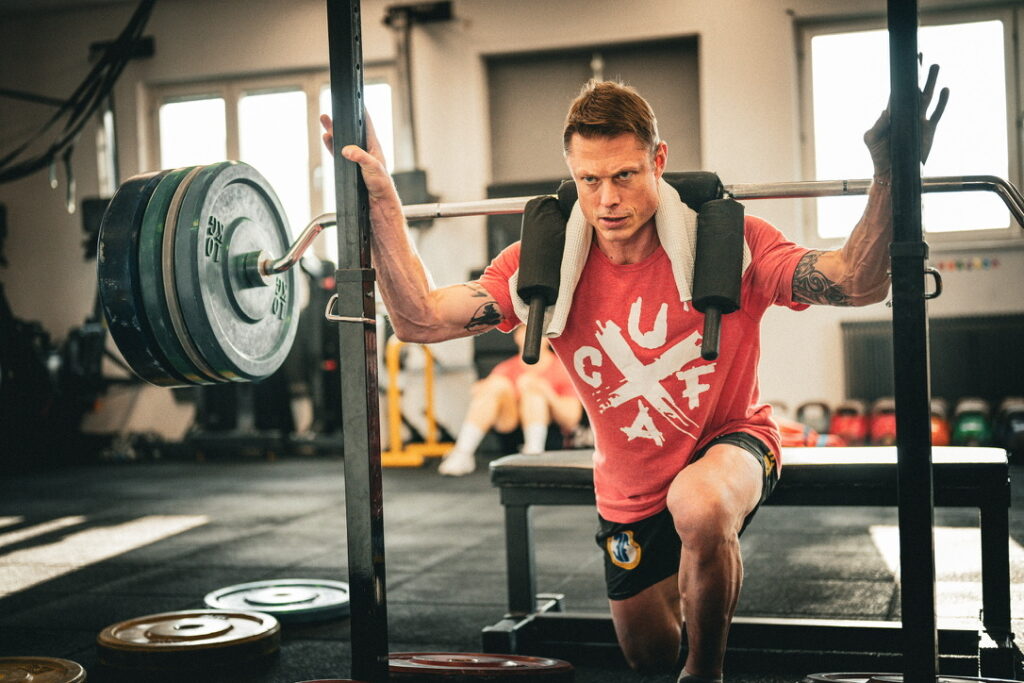
Heavy concentric training – the foundation for muscle volume
For sprint cyclists, heavy strength training with a clear concentric emphasis becomes a central tool because it both builds the muscle mass that will later express force and trains the ability to produce high force with high intent. Mechanical loading (the combination of load, effort, and completed volume) is the central signal for muscular and architectural adaptation (Roberts et al. 2023; Schoenfeld 2013). This is why much of the work should sit toward the heavy end of the spectrum: although hypertrophy can be developed across a wide loading range, maximal strength is more clearly favoured by higher relative loads (Wernbom, Augustsson & Thomée 2007).
Intent during the concentric phase is an important detail that is often overlooked. When the athlete tries to accelerate the load as quickly as possible, the work is directed more clearly toward rapid force development, even when the load is heavy and bar velocity is therefore still low. Aagaard et al. (2002) showed that early and late RFD do not always adapt in the same way to heavy strength training: the late phase improved more clearly, whereas the early phase appeared to depend more on qualitative neural factors. In other words, the same weight can produce partly different training effects depending on how it is lifted (Mota et al. 2019; Elgueta-Cancino et al. 2022).
In more detail, the early phase of force development is influenced primarily by neural activation and high firing frequency, whereas the later phase is affected to a greater extent by maximal strength and the force capacity the muscle has already built. This is also why the programme needs both very heavy lifts and elements where the intent is to develop force as quickly as possible.
Because Kordi et al. (2020) showed that maximal squat force and peak power in the clean are the strongest predictors of maximal force and peak power on the bike, respectively, this is also a clear argument for why these particular exercises occupy so much space in the programme. They are not included merely because they build strength in general, but because their force profile overlaps with the phases of the pedal stroke in which the cyclist must develop high force and high power. Transfer is greatest when the mechanical demands of the exercises resemble those that occur in the critical phases of the pedal stroke.
Eccentric training
An eccentric contraction means that the muscle lengthens under load, as in the controlled lowering phase of a squat. Eccentric training appears primarily to produce a length-oriented muscular adaptation, where fascicle length increases, often by around 15–20 percent in common protocols (Baroni et al. 2013; Reeves et al. 2009). Longer fascicles mean more sarcomeres in series, which increases the muscle’s potential to contract quickly.
For sprint cyclists, this is relevant because both modelling of sprint cycling (Bobbert et al. 2019) and measurements in real cyclists (Lee et al. 2021) show that fascicle length in the vastus lateralis and rectus femoris correlates positively with sprint power. One possible explanation is that longer fibres make the relationship between cadence and peak power overlap more effectively with the optimal pedalling rate.
At the same time, data from elite sprint cyclists show that quadriceps volume and vastus lateralis pennation angle explain the largest share of the variance in peak power, whereas fascicle length appears to play a more secondary role in that specific context. For that reason, eccentric training in our programme is kept primarily as a complement to heavy concentric training and is directed mainly toward the hamstrings.
Eccentric training is not irrelevant for the front of the thigh, however, since it makes the tissue more resistant to load-related injury (Douglas et al. 2017). This protective effect on tissue is especially relevant for masters athletes, whose tendons often adapt more slowly than muscle.
Isometric training
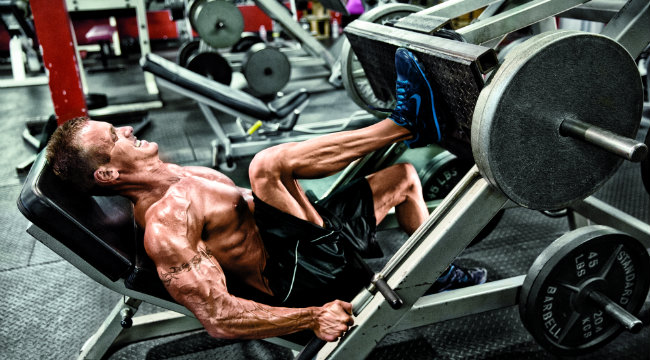
An isometric contraction means that the muscle is active but neither shortens nor lengthens; in practice, the movement stops. Three parameters determine much of the effect in this type of training: muscle length or joint angle, how long the hold lasts, and the intensity used.
Short isometrics (3–5 seconds) with maximal intent at long muscle lengths are one of the programme’s key ideas. The instruction should not be “just hold the position”, but “push as hard as you can”. The distinction matters: del Vecchio et al. (2021) showed that isometric strength training increases maximal force but not RFD unless the recruitment speed of motor units also increases, something linked precisely to maximal intent. When you push maximally against an immovable resistance, the nervous system is forced to recruit motor units quickly and at high firing frequencies, and it is precisely this high neural drive in the position that you exploit. The adaptations are also joint-angle-specific: training in a long muscle position, roughly 90 degrees of knee flexion with the hip clearly flexed, provides better transfer of strength across a larger range of angles than training in shorter positions (Bandy and Hanten 1993; Kubo et al. 2006).
Long isometrics (20–30 seconds) at slightly lower intensity (70–75 percent of maximal voluntary contraction, MVC) form the tendon-stiffness protocol. Kubo et al. (2001) showed that 20-second holds at 70 percent MVC significantly increased patellar tendon stiffness and reduced electromechanical delay by 18 percent, whereas 1-second repetitions with matched total tension volume did not produce an equivalent effect. This suggests that hold duration is the decisive variable here, not total volume. The adaptation is also position-specific: the same research group later showed that tendon-stiffness adaptations increased at long muscle lengths but not at short muscle lengths, even when relative intensity was matched. Therefore, exercises intended to increase tendon stiffness must be performed at long muscle lengths.
One important point to understand is that tendon-stiffness adaptations take time. Kubo et al. (2010) found no significant tendon changes until after at least two months of consistent training, and those changes disappeared more quickly than muscle strength during a training break. This is an argument for not skipping the tendon-stiffness sessions during the programme.
The acute effect also explains why long holds do not belong in the warm-up: Kay and Blazevich (2009) showed that long isometrics acutely reduced Achilles tendon stiffness by about 11 percent, with effects that persisted for at least 30 minutes. Long-duration isometrics should therefore be placed late in the gym session and not immediately before bike sessions or plyometric work.
The programme deliberately includes both stimuli within the same session. Kubo et al. (2017) have shown that isometric training and plyometric training produce complementary effects on muscle–tendon units: isometrics increase tendon stiffness during contractions with gradually rising force, whereas plyometrics increase active muscle stiffness and tendon extensibility during ballistic movements.
Plyometrics and the stretch**–**shortening cycle (SSC)
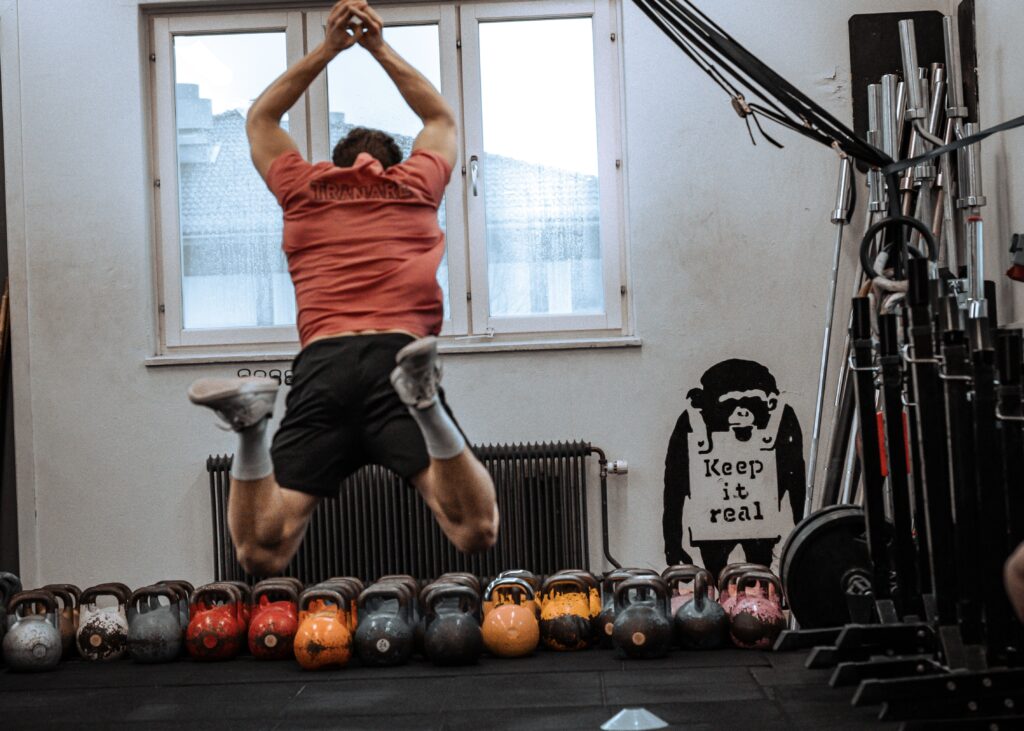
Plyometrics such as pogo jumps and countermovement jumps (CMJ) are based on the stretch–shortening cycle (SSC). This means that the muscle and tendon are first loaded during a rapid lengthening phase and then almost immediately transition into a shortening phase. The rapid transition is the key: elastic energy is stored in the tissue, and part of it is recovered during push-off. A decisive factor is coupling time, meaning how quickly the transition occurs. If the braking phase takes too long, the stored energy has time to dissipate as heat instead of being recovered as mechanical work. This is why pogo jumps with a stiff ankle provide a different and more specific stimulus than a deep CMJ.
SSC training therefore does not simply build strength in the conventional sense; it trains the ability to absorb force, store it briefly, and release it again quickly. It develops ankle stiffness, reactive strength, and a more “spring-like” system under cyclic loading. Elite sprinters in running have significantly higher reactive strength than non-sprint-trained athletes, expressed mainly through shorter ground contact times and higher braking forces during landing (qualities that directly reflect SSC efficiency). Watsford et al. (2010) also showed that musculoarticular stiffness in the quadriceps explained 37 percent of the variance in how quickly torque builds up at the crank during sprint cycling, creating a direct link between SSC training and track performance.
However, CMJ is used in the programme not primarily as a performance test, but to monitor neuromuscular status. CMJ is the jump test with the best repeatability and the strongest ability to detect fatigue clearly, both immediately and up to 72 hours after loading. Michalik et al. (2026) reported r = -0.87 between CMJ height and acceleration performance in elite track sprinters, showing that what CMJ measures is directly relevant to what the programme is trying to develop.
The bottom line is that isometric holds and SSC training both belong in a sprint-cycling programme precisely because they train different, but equally important, parts of the same system.
Individual cadence and the force–velocity curve – optimal cadence
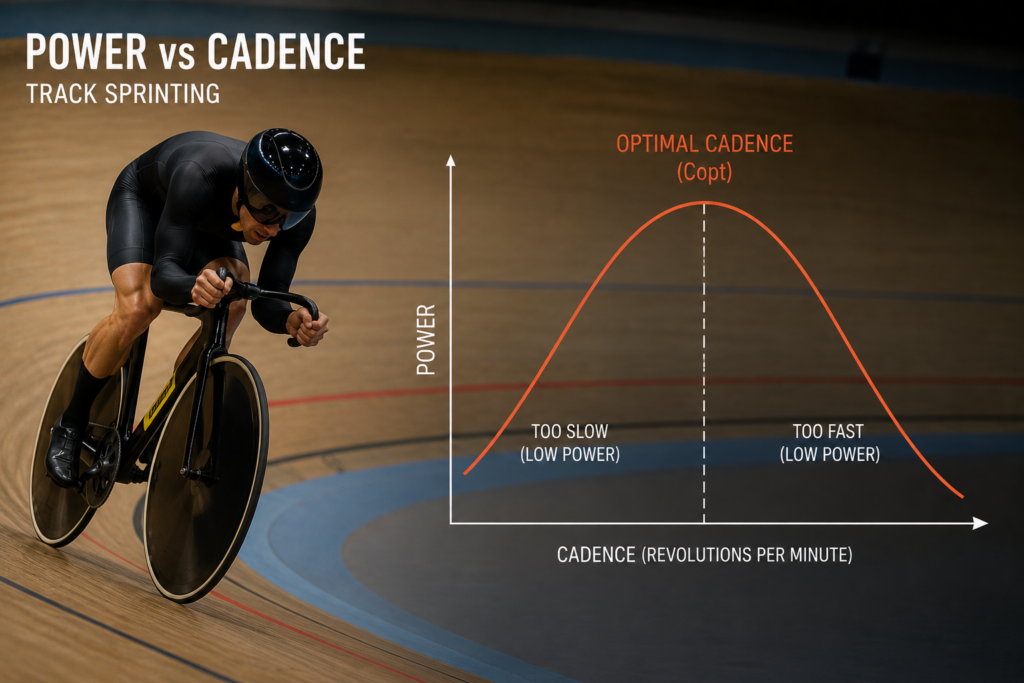
The force–velocity curve is a fundamental physiological reality: a muscle can produce its greatest force against high resistance, but then moves slowly, and it contracts fastest against low resistance. Translated to cycling performance, this means that each individual has a specific cadence at which power output is highest. We call this optimal cadence (Copt).
The limitations in both directions are caused by different mechanisms. At too low a cadence, the muscle moves too slowly relative to its force–velocity potential, and the increase in force does not compensate for the lower movement speed. At too high a cadence, the muscles must switch on and off faster than the activation mechanisms allow, making force production less efficient.
The differences between athletes are substantial. Bravyy et al. (2024) showed that individual Copt can vary by 20–40 percent between cyclists at a similar performance level. This means that two riders using the same gear ratio may be positioned on entirely different parts of their respective force–cadence curves. One may be close to their peak, while the other loses power simply because they are operating on the wrong part of the curve.
Why Copt varies is fundamentally a question of muscle physiology and muscle architecture. The proportion of fast- and slow-twitch fibres, fascicle length, muscle volume, and neural activation patterns all influence where peak power falls on the cadence axis. Hautier et al. (1996) showed that the proportion of type II fibres correlated strongly with optimal cadence during maximal cycling sprinting, and Rouffet et al. (2022) confirmed this specifically for type IIa fibres. An athlete with a high proportion of fast fibres and longer fascicles tends to have a higher Copt. In this way, Copt also becomes a reflection of the same architectural variables that Kordi et al. (2020) showed explain peak power.
Copt is also not static during a race; it gradually decreases as fatigue accumulates (Dunst et al. 2021, 2023). They found that the development of fatigue per pedal stroke is comparable within approximately plus or minus 15 percent around Copt, which means that a slightly lower cadence with a larger gear can reduce the total number of pedal strokes and may therefore slow the development of fatigue during the race. This also helps explain why elite cyclists have tended to choose progressively larger gears in recent years.
Finding your Copt requires a practical test: perform 3–4 maximal sprints of 4–8 seconds in different gear ratios, with full recovery (8–10 minutes) between each effort. Record peak power and cadence for each sprint. If you plot these points on a graph with cadence on the x-axis and power on the y-axis, the curve will clearly appear bell-shaped with a maximum, and that point is your Copt.
For those who want greater precision, the exact peak can also be calculated mathematically: fit a quadratic function, P(C) = aC² + bC + d, to the data points and calculate Copt = -b/(2a). Most cycling software does this automatically.
The test should be repeated approximately once per 9-week macrocycle, because Copt can shift with changes in muscle volume, training status, and accumulated fatigue.
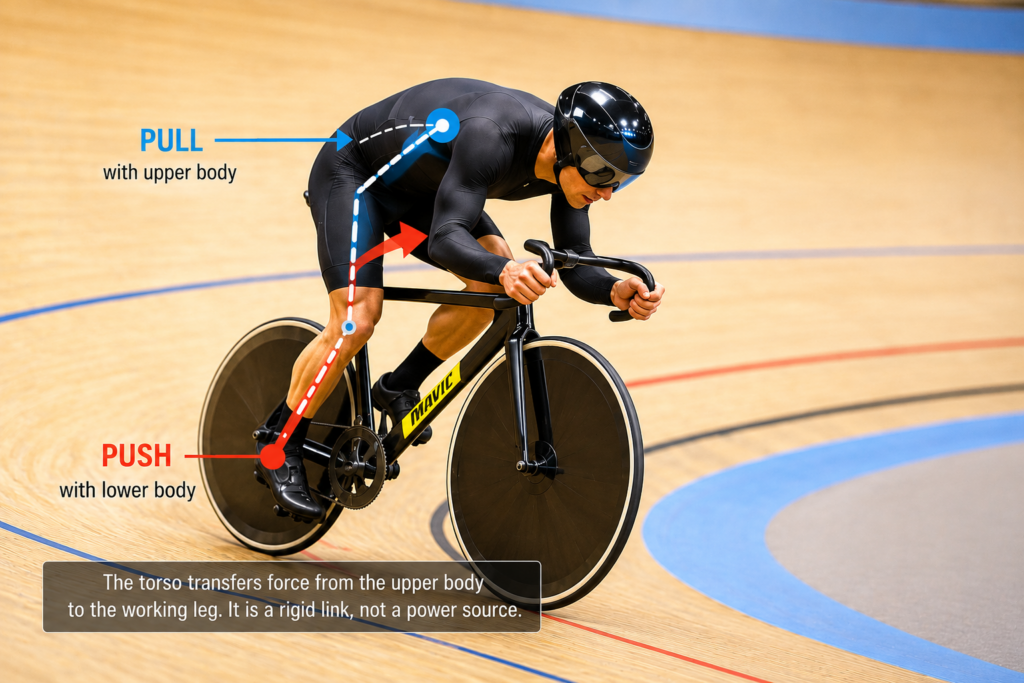
The torso at 1500 W: the rigid link
In a maximal track sprint, the mechanical task of the torso becomes obvious as soon as we look at the numbers. A strong masters cyclist weighing 80 kg and producing 1500 W of peak power sends roughly 110 kg of force into the pedal with each individual pedal stroke during acceleration. A world-class elite sprinter, around 95 kg and 2200 W, can reach a brutal 150–200 kg of single-leg loading per pedal stroke at the start.
If you only pressed down on the pedal, force would be limited by your own body weight. Any force beyond that must be created by using the upper body to pull on the handlebars and then transferring that tension through the torso down to the working leg. The torso is therefore a rational and rigid link between the upper and lower body.
What makes sprint cycling unique is that this load is both asymmetrical and extremely rapid. At a cadence of 120–150 RPM, this is not a question of static core endurance. The muscular resources must be able to switch on and off, change sides, and resist rotational forces within fractions of a second on every pedal revolution.
Direct EMG research on torso behaviour during maximal sprint cycling is rare, but the pieces we do have support the theory. In elite sprinters, the cross-sectional area of the deep back musculature (erector spinae) and the thickness of the anterior and lateral abdominal muscles correlate directly with maximal pedal power (Ikeda 2013; Ishii 2016). When intensity is increased to maximal levels, the range of motion in the lumbar and thoracic spine increases, which is met by a marked increase in activation, especially in rectus abdominis (Muyor 2022). Muscle coordination shifts dynamically rather than simply becoming static, and during maximal sprinting, activation of the hip flexors increases 7–9-fold and activation of the hamstrings and gluteal muscles (knee flexors/hip extensors) increases 5–7-fold compared with submaximal work (Dorel 2012).
Rannama (2015) showed that movement deviations and asymmetries in the torso have a direct negative effect on sprint power. Looking only at leg strength is not enough to predict pedal power, but when the researchers included torso stability in the equation, they were suddenly able to explain almost the entire difference in performance between cyclists. The lesson is simple: if there is a structural gap in the torso, it does not matter how strong the legs are; the force still cannot be transferred effectively to the bike.
This is fully in line with Stuart McGill’s classic principles for power sports: the torso should function as a rigid link for transferring forces from the hip, not move around and try to create force by itself (McGill 2010).
We have established that sprinting sends large forces into the pedals, but even though those forces are large, they are smaller than the demands a barbell can place on the torso. That is because, on the bike, a large share of pedal pressure comes from using body weight and letting gravity do part of the work. The muscular counterforce required from the torso is therefore lower than the actual kilograms applied to the pedal. When a heavy barbell is placed across the shoulders in the gym, that assistance disappears, and the abdominal and back muscles must support the full load to prevent posture from collapsing. The internal abdominal pressure you create during a heavy squat exceeds anything you can achieve in a plank.
On the bike, the torso is almost completely fixed in a locked position while the legs move underneath it. In a deep squat, the lever arms change dynamically all the way down to the bottom position, increasing the mechanical torque acting on the spine. This forces the nervous system to coordinate abdominal pressure, pelvic position, and stability through a large range of motion under substantial mechanical stress. Once the abdominal muscles have learned to handle and stabilise a 100–200 kg barbell through a deep range of motion, cycling’s demand to keep the torso rigid in a fixed position becomes, relatively speaking, an easier task.
Sprint work on the bike is therefore valuable, but barbell training is an almost necessary complement for the torso. Is additional, specific core training needed? Honestly: usually not.
The bike itself provides the most specific asynchronous loading demand you can find, and anyone who performs heavy squats, deadlifts, and cleans builds exactly the kind of maximal bracing capacity required for cycling. A meta-analysis of 29 randomised controlled trials (Dong et al. 2023) also confirms that specific core training has “almost no effect” on power and speed, and only moderate, non-significant effects on mobility in well-trained athletes.
Health and ageing (sprint training as a lifestyle strategy)
Sarcopenia, the age-related loss of muscle mass, starts early: on average, people lose 3–8 percent of muscle mass per decade from their thirties onward, and the rate increases further after 60. This is not only a performance issue. Muscle strength and muscle mass are among the variables most strongly associated with preserved function, independence, and longevity. What is especially important to understand is that sarcopenia does not affect all muscle fibres equally: it is primarily the fast, force-producing type II fibres that atrophy with age, whereas the slower type I fibres are relatively protected (Lee et al. 2024). These are precisely the fibres we activate in sprinting and heavy strength training.
The good news is that the combination of sprinting and strength training is a remarkably effective countermeasure. Tøien et al. (2023, Journal of Applied Physiology) showed that lifelong strength-trained masters athletes over 70 had type II fibre distribution, maximal strength, and force-development capacity comparable to young adults under 30, something neither endurance-trained nor otherwise active older adults displayed. In a ten-year longitudinal study of masters sprinters, Hendrickse et al. (2025) found that despite ageing, the athletes showed no measurable decline in muscle strength, functional performance, or morphology, strongly suggesting that sprint and strength training can preserve what would otherwise be lost.
This makes sprint cycling a particularly suitable form of training with increasing age. Unlike long-distance cycling, running, or swimming, sprint cycling consistently activates the fast motor units and type II fibres during every hard effort. It also does so without taking much time away from a life that needs to include other things as well. Gym sessions with heavy strength training and explosive elements reinforce the effect further, while also building tendons and muscles that make it easier to keep moving powerfully and through a large range of motion later in life.
The traditional view is that central cardiovascular capacity (increased blood volume, haemoglobin mass, and maximal cardiac output) requires hours of low-intensity riding. However, Mandić et al. (2022) at Karolinska Institutet showed that only six weeks of sprint interval training, three sessions per week with 3 × 30-second all-out sprints, for a total work time of 90 seconds per session, increased VO2max by around 10 percent. The most striking finding was the blood adaptation: precisely the kind of adaptation previously thought to require endurance training. Plasma volume increased by approximately 8 percent, total blood volume by approximately 7 percent, and haemoglobin mass by approximately 6 percent, which increased the maximal amount of blood the heart can pump per minute by approximately 9 percent.
In a follow-up study in which the participants’ hearts were catheterised and blood was subsequently removed to restore blood volume to baseline, both VO2max and cardiac output returned to baseline levels, directly proving that the blood-volume expansion causes the improvement rather than merely accompanying it (Mandić et al. 2023). This is especially valuable with increasing age, because the same capacity otherwise tends to decline by roughly ten percent per decade. Sprint training therefore does not only build your legs; it also remodels the oxygen-transport system that otherwise gradually loses capacity with age.
For a masters group training sprint cycling, this means the training is justified twice over: it builds performance capacity in the short term and protects against some of the most decisive aspects of physiological ageing in the long term. It is therefore not a matter of replacing healthy activity with ambitious training; the two are the same thing. It is acceptable that we play at performance, because the very training that gives us this improved performance also gives us a larger and longer life.
The hierarchy of the programme we intend to build is simple, but built on clear logic: first, we build muscle mass and architecture, because these are the strongest explanations for peak power in sprint cycling. At the same time, but in descending order of priority, we build tendon stiffness to reduce force-transfer delay, optimise the match between the individual’s cadence profile and the force–velocity curve through the use of Copt, and finally train the specific track events themselves with the right cadence, gear selection, and pacing. Each step is mechanistically connected to the others.
The choices for exercises that we will make are deliberate choices that meet concrete needs. Long-duration isometrics at long muscle lengths for tendon stiffness and targeted resisted hip flexion to access psoas hypertrophy are examples of elements that are often missing.
The programme we are to write operates in a zone where several plausible training effects are combined, and it is often precisely there that real effects are created.
REFERENCE LIST
- Aagaard P, Simonsen EB, Andersen JL, Magnusson P, Dyhre-Poulsen P (2002) Increased rate of force development and neural drive of human skeletal muscle following resistance training. Journal of Applied Physiology 93:1318–1326. https://doi.org/10.1152/japplphysiol.00283.2002
- Bandy WD, Hanten WP (1993) Changes in torque and electromyographic activity of the quadriceps femoris muscles following isometric training. Physical Therapy 73:455–467. https://doi.org/10.1093/ptj/73.7.455
- Baroni BM, Rodrigues R, Freire BB, Franke RA, Geremia JM, Vaz MA (2013) Effect of eccentric training on biceps femoris muscle architecture and knee flexors peak torque. Journal of Sports Sciences 31:1648–1655. https://doi.org/10.1080/02640414.2013.792945
- Bobbert MF, van Soest AJ, Casius LJR, Kistemaker DA (2019) How does muscle fiber length change in cycling: muscle model predictions vs. reality. Medicine & Science in Sports & Exercise 51:2372–2382. https://doi.org/10.1249/MSS.0000000000002048
- Bravyy Y, Onishchenko D, Baltin M (2024) A measurement method for biomechanical factors in sprint: maximal anaerobic power and optimal cadence. Russian Journal of Biomechanics 28. https://doi.org/10.15593/rjbiomech/2024.4.13
- Burnie L, Barratt P, Davids K, et al. (2022) Effects of strength training on the biomechanics and coordination of short-term maximal cycling. Journal of Sports Sciences. https://doi.org/10.1080/02640414.2022.2080159
- del Vecchio A, Casolo A, Negro F, et al. (2019) The increase in muscle force after 4 weeks of strength training is mediated by adaptations in motor unit recruitment and rate coding. Journal of Physiology 597:1873–1887. https://doi.org/10.1113/JP277250
- Dorel S, Drouet JM, Couturier A, Champoux Y, Hug F (2009) Changes of pedaling technique and muscle coordination during an exhaustive exercise. Medicine & Science in Sports & Exercise 41:1277–1286. https://doi.org/10.1249/MSS.0b013e31819825f8
- Douglas J, Pearson S, Ross A, McGuigan M (2017) Chronic adaptations to eccentric training: a systematic review. Sports Medicine 47:917–941. https://doi.org/10.1007/s40279-016-0628-4
- Dunst AK, Hesse C, Ueberschär O, Holmberg HC (2021) Fatigue-free force–velocity and power–velocity profiles for elite track sprint cyclists: the influence of duration, gear ratio and pedalling rates. Sports 10:130. https://doi.org/10.3390/sports10090130
- Dunst AK, Ji SK, Wahl P (2025) Strength exercise F-v and P-v profiles as predictors of elite sprint-cycling performance. International Journal of Sports Physiology and Performance. https://doi.org/10.1123/ijspp.2025-0004
- Elgueta-Cancino E, Mancilla-Soto R, García-Hermoso A, Tapia-Poblete V, Alarcón-Rivera M (2022) Maximal intent during resistance training: effects on neuromuscular outcomes – a systematic review. Journal of Human Kinetics 83:185–198. https://doi.org/10.2478/hukin-2022-0080
- Ema R, Wakahara T, Yanaka T, Kanehisa H, Kawakami Y (2016) Unique muscularity in cyclists’ thigh and trunk: a cross-sectional and longitudinal study. Scandinavian Journal of Medicine & Science in Sports 26:782–793. https://doi.org/10.1111/sms.12511
- Ferguson HA, Harnish C, Chase JG (2021) Using field-based data to model sprint track cycling performance. Sports Medicine – Open. https://doi.org/10.1186/s40798-021-00310-0
- Ferguson HA, Harnish CR, Chase JG (2024) Track cycling sprinters’ training progression over three-month period. Journal of Science and Cycling. https://doi.org/10.28985/1324.jsc.02
- Ferguson HA, Harnish C, Klich S, et al. (2023) Relationships between competition sprint cycling power and endurance power are high across all durations and energetic pathways. bioRxiv. https://doi.org/10.1101/2023.01.06.522987
- Hansen EA, Raastad T, Hallén J (2012) Strength training reduces the size of the non-propulsive region of the power output-pedalling rate relationship in cycling. European Journal of Applied Physiology 112:3321–3331. https://doi.org/10.1007/s00421-012-2316-8
- Hautier CA, Linossier MT, Belli A, Lacour JR, Arsac LM (1996) Optimal velocity for maximal power production in non-isokinetic cycling is related to muscle fibre type composition. European Journal of Applied Physiology 74:114–118. https://doi.org/10.1007/BF00376503
- Haugen T, Solberg PA, Foster C, Morán-Navarro R, Breitschädel F, Hopkins W (2023) Peak age and performance progression in world-class track-and-field athletes. International Journal of Sports Physiology and Performance 13:1122–1129.
- Hendrickse P, Pearson S, Minahan C, Blazevich AJ (2025) Ten-year study of masters sprinters. Journal of Cachexia, Sarcopenia and Muscle. https://doi.org/10.1002/jcsm.13416
- Ikeda Y, Imai N, Kikumoto T, Kumagai Y, Takahashi S, Wada T (2013) The effects of the cross-sectional area and volume of the psoas major muscle in relation to power in track cyclists. Journal of Sports Medicine and Physical Fitness 53:11–17. [PMID 23435372 – DOI not openly available; verifiable via PubMed]
- Kay AD, Blazevich AJ (2009) Isometric contractions reduce plantar flexor moment, Achilles tendon stiffness, and neuromuscular activity but remove the subsequent effects of stretch. Journal of Applied Physiology 107:532–540. https://doi.org/10.1152/japplphysiol.00281.2009
- Klich S, Ficek K, Krymski I, et al. (2020) Quadriceps and patellar tendon thickness and stiffness in elite track cyclists. Frontiers in Physiology 11:607208. https://doi.org/10.3389/fphys.2020.607208
- Kordi M, Folland J, Goodall S, et al. (2020) Mechanical and morphological determinants of peak power output in elite cyclists. Scandinavian Journal of Medicine & Science in Sports 30:616–625. https://doi.org/10.1111/sms.13570
- Kordi AM, Folland J, Goodall S, et al. (2020) Cycling-specific isometric resistance training improves peak power output in elite sprint cyclists. Scandinavian Journal of Medicine & Science in Sports 31:79–88. https://doi.org/10.1111/sms.13742
- Kubo K, Kanehisa H, Fukunaga T (2001) Effects of different duration isometric contractions on tendon elasticity in human quadriceps muscles. Journal of Physiology 536:649–655. https://doi.org/10.1111/j.1469-7793.2001.0649c.xd
- Kubo K, Morimoto M, Komuro T, et al. (2007) Effects of plyometric and weight training on muscle-tendon complex and jump performance. Medicine & Science in Sports & Exercise 39:1801–1810. https://doi.org/10.1249/mss.0b013e31813e288f
- Kubo K, Ohgo K, Takeishi R, et al. (2006) Effects of isometric training at different knee angles on the muscle–tendon complex in vivo. Scandinavian Journal of Medicine & Science in Sports 16:159–167. https://doi.org/10.1111/j.1600-0838.2005.00450.x
- Kubo K, Ikebukuro T, Yaeshima K, Yata H, Tsunoda N, Kanehisa H (2010) Effects of static and dynamic training on the stiffness and blood volume of tendon in vivo. Journal of Applied Physiology 109:269–277. https://doi.org/10.1152/japplphysiol.00463.2010
- Lee C, Woods PC, Paluch AE, Miller MS (2024) Effects of age on human skeletal muscle: a systematic review and meta-analysis of myosin heavy chain isoform protein expression, fiber size, and distribution. American Journal of Physiology – Cell Physiology. PMID: 39374077. https://pubmed.ncbi.nlm.nih.gov/39374077/ [Verify final DOI via PubMed; likely 10.1152/ajpcell.00272.2024]
- Lee JH, Hwang SH, Sung DJ, Han SW, Kim JH (2021) Association between muscle architecture and sprint cycling performance in competitive cyclists. Scientific Reports 11:5082. https://doi.org/10.1038/s41598-021-84870-x
- Mandić M, Hansson S, Eriksson A, et al. (2022) Sprint interval training-induced cardiovascular adaptations in middle-aged sedentary men: role of cardiac output. Journal of Applied Physiology 132:1225–1236. https://doi.org/10.1152/japplphysiol.00644.2021 [PMID 35136000]
- Mandić M, Hansson S, Eriksson A, et al. (2023) Cardiac remodeling following sprint interval training in middle-aged sedentary men. [Journal and exact DOI to be verified via PMID 37071120]
- Martín-Rodríguez S, González-Henríquez JJ, Bautista I, et al. (2024) Interplay of muscle architecture, morphology, and quality in influencing human sprint cycling performance: a systematic review. Sports Medicine – Open. https://doi.org/10.1186/s40798-024-00752-2
- Michalik K, Kowalski T, Klusiewicz A, Mroczek D (2026) Testing for acceleration performance in elite sprint track cyclists: a cross-sectional analysis. Acta of Bioengineering and Biomechanics. https://doi.org/10.37190/abb/220281
- Mornas A, Brocherie F, Garcia J, et al. (2025) Vastus lateralis muscle force and architecture were unchanged after an eccentric training cycle in elite athletes. Journal of Biomechanics. https://doi.org/10.1016/j.jbiomech.2025.112982
- Mota JA, Stock MS, Thompson BJ (2019) Maximal concentric velocity during resistance exercise in older women: a pilot investigation. Journal of Exercise Science & Fitness 17:107–112. PMC6487929. https://doi.org/10.1016/j.jesf.2019.04.003
- Noorkoiv M, Nosaka K, Blazevich AJ (2015) Effects of isometric quadriceps strength training at different muscle lengths on dynamic torque production. Journal of Sports Sciences 33:1352–1361. https://doi.org/10.1080/02640414.2014.990483
- Oranchuk DJ, Storey AG, Nelson AR, Cronin JB (2019) Isometric training and long-term adaptations: effects of muscle length, intensity, and intent. Scandinavian Journal of Medicine & Science in Sports 29:484–503. https://doi.org/10.1111/sms.13375
- Park JH, Kim H, Park S (2020) Sprint track cyclists and road cycling training. Korean Society of Sports Science 29:1129–1138. https://doi.org/10.35159/kjss.2020.06.29.3.1129
- Reeves ND, Maganaris CN, Longo S, Narici MV (2009) Differential adaptations to eccentric versus conventional resistance training in older humans. Experimental Physiology 94:825–833. https://doi.org/10.1113/expphysiol.2009.046920
- Robin M, Nordez A, Dorel S (2021) Analysis of elite road-cycling sprints in relation to maximal power–velocity–endurance profile: a longitudinal one-case study. Scandinavian Journal of Medicine & Science in Sports 31:1955–1967. https://doi.org/10.1111/sms.14103
- Schoenfeld BJ (2013) Potential mechanisms for a role of metabolic stress in hypertrophic adaptations to resistance training. Sports Medicine 43:179–194. https://doi.org/10.1007/s40279-013-0017-1
- Schwanbeck S, Chilibeck PD, Binsted G (2009) A comparison of free weight squat to Smith machine squat using electromyography. Journal of Strength and Conditioning Research 23:2588–2591. https://doi.org/10.1519/JSC.0b013e3181b1b181
- Tøien T, Pedersen Haglo H, Unhjem R, Hoff J, Wang E (2023) Lifelong strength training mitigates the age-related decline in explosive strength in older adults. Journal of Applied Physiology. PMID 37881849. https://doi.org/10.1152/japplphysiol.00629.2023
- del Vecchio LD, Stanton R, Reaburn P, et al. (2017) Effects of combined strength and sprint training on lean mass, strength, power, and sprint performance in masters road cyclists. Journal of Strength and Conditioning Research 31:1340–1349. https://doi.org/10.1519/JSC.0000000000001960
- Watsford M, Ditroilo M, Fernández-Peña E, et al. (2010) Muscle stiffness and rate of torque development during sprint cycling. Medicine & Science in Sports & Exercise. https://doi.org/10.1249/MSS.0b013e3181ce509d
- Wernbom M, Augustsson J, Thomeé R (2007) The influence of frequency, intensity, volume and mode of strength training on whole muscle cross-sectional area in humans. Sports Medicine 37:225–264. https://doi.org/10.2165/00007256-200737030-00004
- Kassiano W, Nunes JP, Costa B, Ribeiro AS, Loenneke JP, Cyrino ES (2025) Comparison of muscle growth and dynamic strength adaptations induced by unilateral and bilateral resistance training: a systematic review and meta-analysis. Sports Medicine 55:117–126. https://doi.org/10.1007/s40279-024-02169-z
- Škarabot J, Cronin N, Strojnik V, Avela J (2016) Bilateral deficit in maximal force production. European Journal of Applied Physiology 116:2057–2065. https://doi.org/10.1007/s00421-016-3458-z
- Dong K, Yu T, Chun B (2023) Effects of core training on sport-specific performance of athletes: a meta-analysis of randomized controlled trials. Behavioral Sciences 13:148. https://doi.org/10.3390/bs13020148
- Dorel S, Guilhem G, Couturier A, Hug F (2012) Adjustment of muscle coordination during an all-out sprint cycling task. Medicine & Science in Sports & Exercise 44:2154–2164. https://doi.org/10.1249/MSS.0b013e3182625423
- Ikeda Y, Takashima W, Homma T, Takahashi H, Murata M (2013) Relationship between muscle morphological characteristics and pedaling power for elite track cyclists. Japan Journal of Physical Education, Health and Sport Sciences 58:559–574. https://doi.org/10.5432/JJPEHSS.12064
- Ishii Y, Kurokawa T, Araki S, Yamamoto M (2016) The relationship between muscle thickness of leg and trunk and the sprint performance in the field and on the cycle ergometer in high school and college students cyclists. Japanese Journal of Physical Fitness and Sports Medicine 65:327–335. https://doi.org/10.7600/jspfsm.65.327
- McGill S (2010) Core training: evidence translating to better performance and injury prevention. Strength and Conditioning Journal 32:33–46. https://doi.org/10.1519/SSC.0b013e3181df4521
- Muyor JM, Antequera-Vique JA, Oliva-Lozano JM, Arrabal-Campos FM (2022) Effect of incremental intensities on the spinal morphology and core muscle activation in competitive cyclists. Sports Biomechanics. https://doi.org/10.1080/14763141.2022.2097945
- Rannama I, Port K, Bazanov B, Pedak K (2015) Sprint cycling performance and asymmetry. Journal of Human Sport and Exercise 10(Proc1):S247–S258. https://doi.org/10.14198/JHSE.2015.10.PROC1.12